The idea of a $1,130 stimulus check in 2026 has attracted widespread attention as many households look for financial certainty in a changing economy. Rising living costs, uncertain job conditions, and ongoing inflation concerns have made people more alert to any news related to federal relief payments. While discussions are active, it is important to understand that no stimulus payment becomes real unless it is officially approved through federal legislation.
What a $1,130 Stimulus Check Means
A $1,130 stimulus check refers to a possible one-time financial relief payment funded by the federal government. Such payments are not automatic and are never issued without a law passed by Congress. If approved, the program would be announced publicly and managed by the Internal Revenue Service in coordination with the U.S. Treasury. The purpose of stimulus payments is usually to provide short-term financial support and help stabilize household spending during economic pressure.
How Eligibility Is Usually Decided
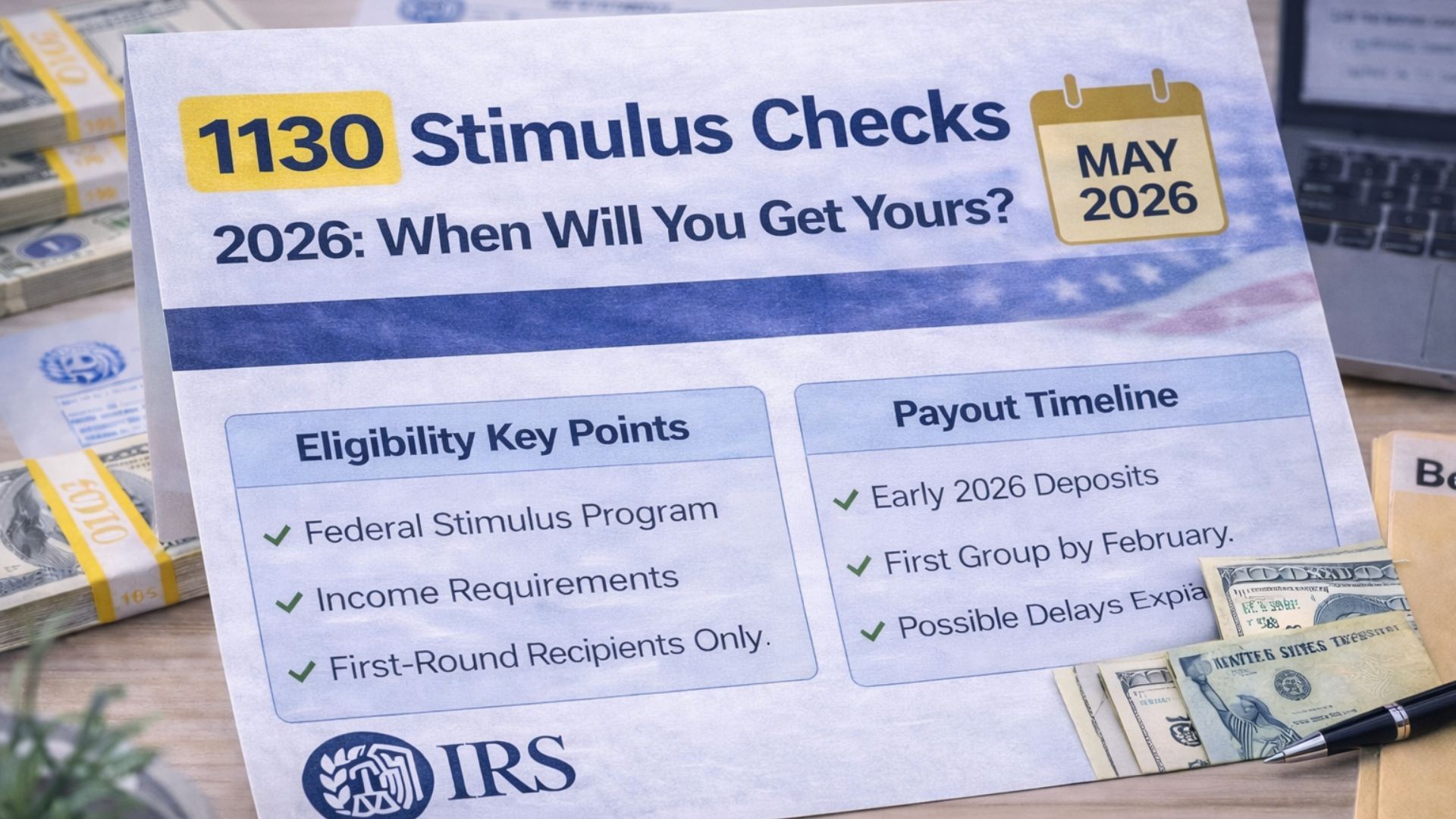
Eligibility for stimulus payments depends entirely on the rules written into the approved legislation. In most past programs, income level played a major role. Lower- and middle-income earners generally qualified for full payments, while higher earners received reduced amounts or were excluded. Filing status, such as single or married, and dependent information were also used to calculate eligibility. Accurate and timely tax filing is critical because the IRS relies on tax return data to determine who qualifies.

How Stimulus Payments Are Sent
If a $1,130 stimulus check were approved, payments would likely be issued in phases rather than all at once. People who have direct deposit information on file with the IRS typically receive payments first. This method is faster and more secure. Those without banking details may receive paper checks or debit cards, which usually take longer. The payment timeline often depends on IRS processing capacity and the overall tax season workload.
Tracking Payments and Avoiding Delays
The safest way to confirm payment status is through official IRS tools and government announcements. Third-party websites asking for personal or banking information should be avoided, as they are not part of the official process and may pose security risks. Delays can happen due to outdated bank details, address changes, or processing errors. Updating records through official IRS channels usually resolves these issues.
Staying Prepared and Informed
If a stimulus payment is approved, preparation can help avoid delays. Keeping tax filings accurate, maintaining updated banking information, and following only verified government sources are the best ways to stay ready. Misinformation spreads quickly, so relying on official updates helps prevent unrealistic expectations.

Final Outlook for 2026
As of now, the $1,130 stimulus check remains a proposal under discussion, not a confirmed payment. Eligibility, timing, and distribution depend entirely on future legislative approval. Until that happens, no payment is guaranteed or automatic.
Disclaimer: This article is for informational purposes only and does not provide financial, legal, or tax advice. As of now, no $1,130 stimulus check has been officially approved for 2026. Payment amounts, eligibility criteria, and timelines depend on federal legislation and official IRS guidance. Readers should rely only on verified government sources for the most accurate and up-to-date information.