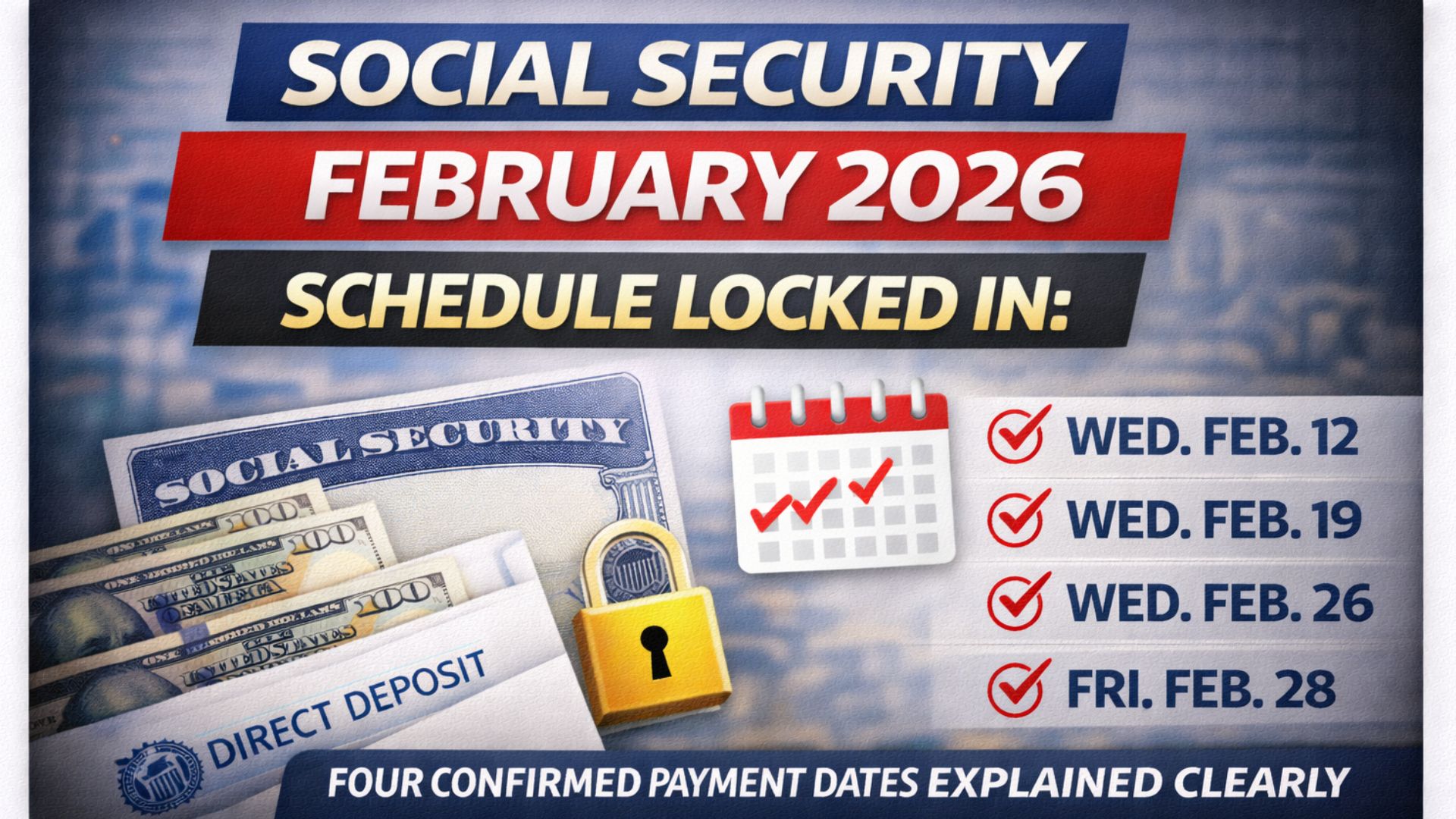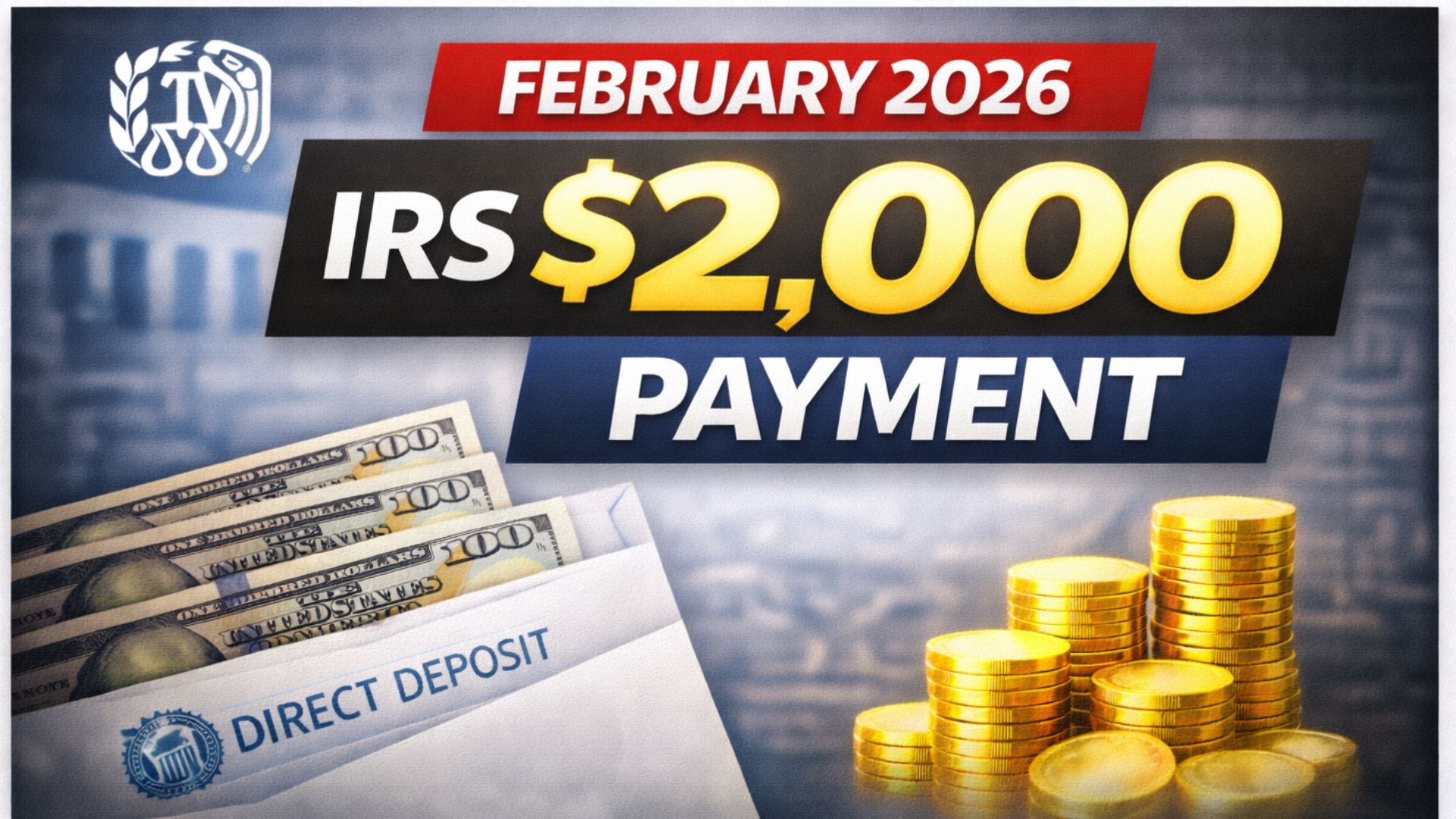
Many people across the United States have recently seen posts claiming a $2,000 IRS payment in February 2026. These messages have spread quickly on social media and messaging apps, raising hopes of a new government payout. However, the reality behind these claims is much more ordinary and closely linked to the annual tax refund process rather than any new relief program.
Why the $2,000 Payment Rumor Is Spreading
Tax filing for the 2026 financial year began in late February 2026, and millions of Americans have already submitted their returns. Every year, this period creates confusion because early filers often start receiving refunds around the same time. When people see deposits of $2,000 or more hitting their bank accounts, it can look like a nationwide payment, even though it is not.
No New Stimulus Has Been Approved
There has been no official announcement of a new stimulus or relief check for February 2026. Any nationwide payment would need approval from the United States Congress and must be signed into law by the president. At present, no such bill has passed. Large stimulus programs ended years ago, and current government policy is focused more on managing inflation than issuing direct cash payments.

What the $2,000 Really Represents
In most cases, the money people are receiving is simply their tax refund. A refund happens when someone has paid more tax during the year than they actually owed. This can occur due to payroll withholding, estimated tax payments, or refundable tax credits. For families with children or modest incomes, refunds can easily reach or exceed $2,000, which fuels the misunderstanding.
Why Refund Amounts Differ Between People
Two taxpayers with similar incomes can receive very different refunds. Credits linked to children, dependents, or income levels can increase refund amounts significantly. This does not mean the government is giving extra money; it is only returning what was overpaid during the year.
When Refunds Are Paid
Most people who file electronically and choose direct deposit receive their refunds within two to three weeks. That timing places many payments in mid-February, reinforcing the false idea of a scheduled payout. Paper returns or additional verification checks can delay refunds into later months.

How to Track Your Refund Safely
After filing, taxpayers can check their refund status using the official tracking tool from the Internal Revenue Service. This tool shows whether a return has been received, approved, or paid. Relying on official sources is important, as scams often increase during tax season.
Understanding the Bigger Picture
A tax refund may feel like free money, especially when living costs are high. In reality, it is your own money being returned. If you did not file a tax return or claim credits, there is no unexpected payment waiting.
Disclaimer: This article is for informational purposes only. Tax refunds, eligibility, and payment timelines vary based on individual tax filings and official guidance from the Internal Revenue Service. Readers should consult official government sources or qualified tax professionals for advice related to their personal situation.