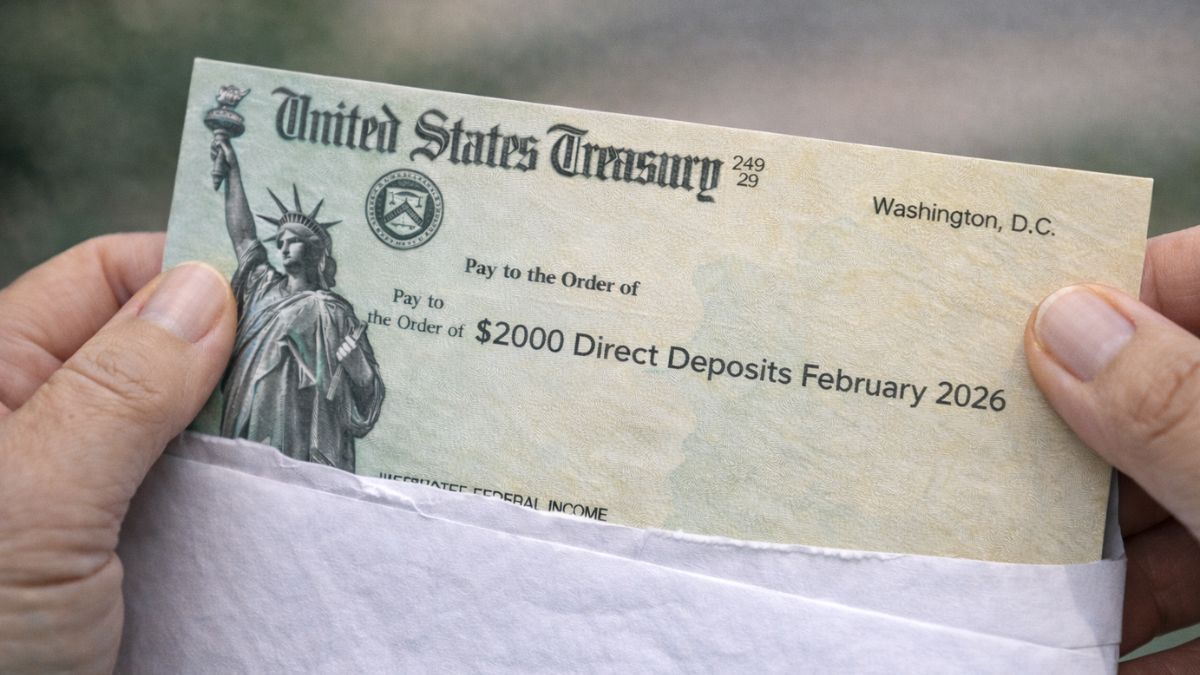
As the 2026 tax season continues, many Americans are closely watching their refund status and wondering when their IRS tax refunds will arrive. For millions of households, a tax refund is not extra money for leisure spending. It is often used to pay rent, utilities, medical bills, loan payments, and other essential costs. February is a crucial month because it usually brings the first major wave of refunds for early filers. Understanding the February 2026 refund timeline can help reduce worry and improve financial planning.
Why February Refunds Matter So Much
February refunds play an important role for families across the country. After the holiday season, many people face higher expenses such as insurance premiums, school fees, and medical costs. A timely tax refund can provide much-needed relief and help households regain financial balance. In 2026, with living costs remaining high, these refunds feel even more important for day-to-day stability.
When the IRS Started Processing Returns
The IRS began processing 2026 tax returns in late January. Returns are handled in batches, and electronically filed returns move through the system faster. For simple electronic returns with direct deposit, the IRS generally aims to issue refunds within about 21 days. Early signs show that many straightforward returns are following this expected pattern.

Taxpayers who filed electronically in the final days of January have already started seeing approvals in early February. This indicates that the system is working smoothly for returns that are accurate and uncomplicated.
Electronic Filing Versus Paper Returns
Electronic filing remains the fastest option for receiving a refund. Paper returns take much longer because they must be opened, reviewed, and entered manually. Even when paper returns are error-free, this extra handling can delay refunds until late March or even April. This growing difference in processing time has made electronic filing the clear choice for faster refunds.
Expected February 2026 Refund Timing
Refunds are typically released in cycles, with many direct deposits appearing during the middle of the week. Taxpayers who filed electronically in late January can generally expect refunds in the first half of February. Those who filed in early February may receive payments later in the month. These timeframes apply mainly to simple returns without issues.

Common Reasons for Refund Delays
Some refunds take longer due to fraud prevention checks. The IRS has strengthened security systems to detect identity theft and incorrect claims. Even small income mismatches can trigger extra review. Refunds that include refundable credits are also delayed by law. Credits such as the Earned Income Tax Credit and the Additional Child Tax Credit cannot be paid before mid-February, which may push refunds into late February or March.
How Payment Method Affects Timing
Direct deposit is the fastest way to receive a refund. Once approved, deposits usually reach bank accounts within one to three business days. Paper checks take longer because they must be printed and mailed, often adding one or two weeks to the wait.
Tracking Your Refund Safely
The IRS “Where’s My Refund” tool is the most reliable way to track refund progress. It shows whether a return is received, approved, or sent. Status updates may remain unchanged for several days, which is normal during processing.
यह भी पढ़े:
 IRS Tax Refund 2026 Guide: Processing Timelines, Key Rules, and What Taxpayers Should Expect
What Taxpayers Should Expect
Most early electronic filers with simple returns can expect refunds by the end of February 2026. Others may need to wait until March. Understanding these timelines helps set realistic expectations and avoid unnecessary stress.
Disclaimer:
This article is for informational purposes only and is based on general IRS practices for the 2026 tax season. Refund timelines vary depending on individual tax situations, filing accuracy, and verification requirements. Taxpayers should consult official IRS resources or a qualified tax professional for personalized guidance.