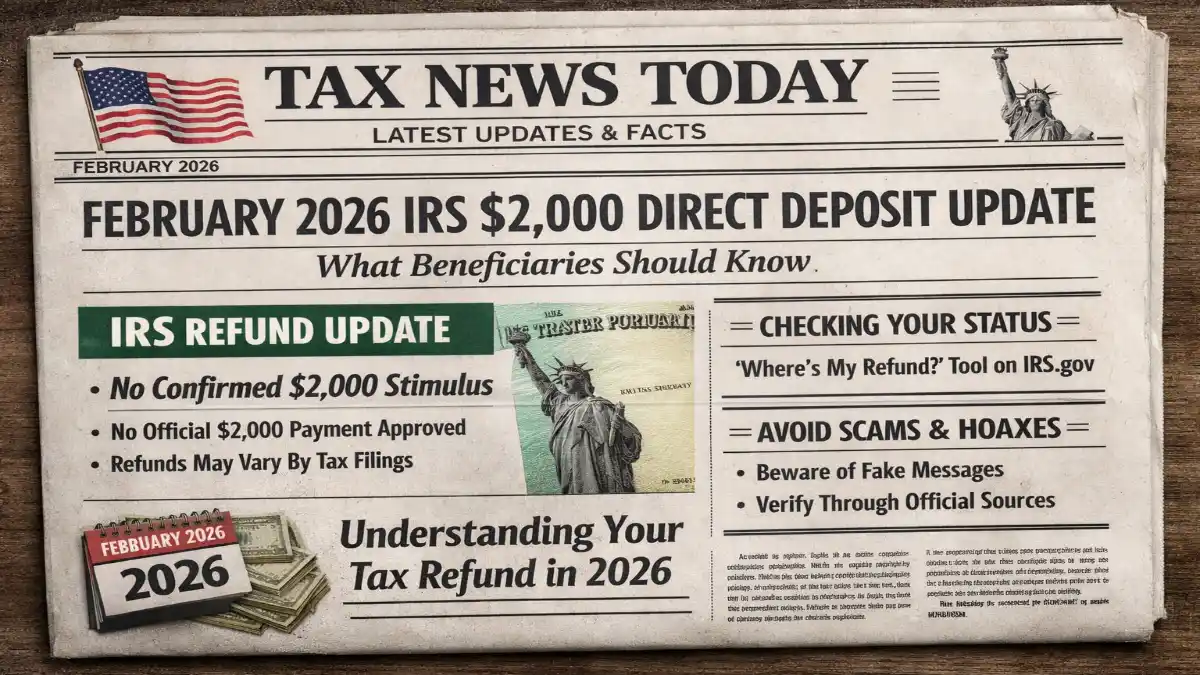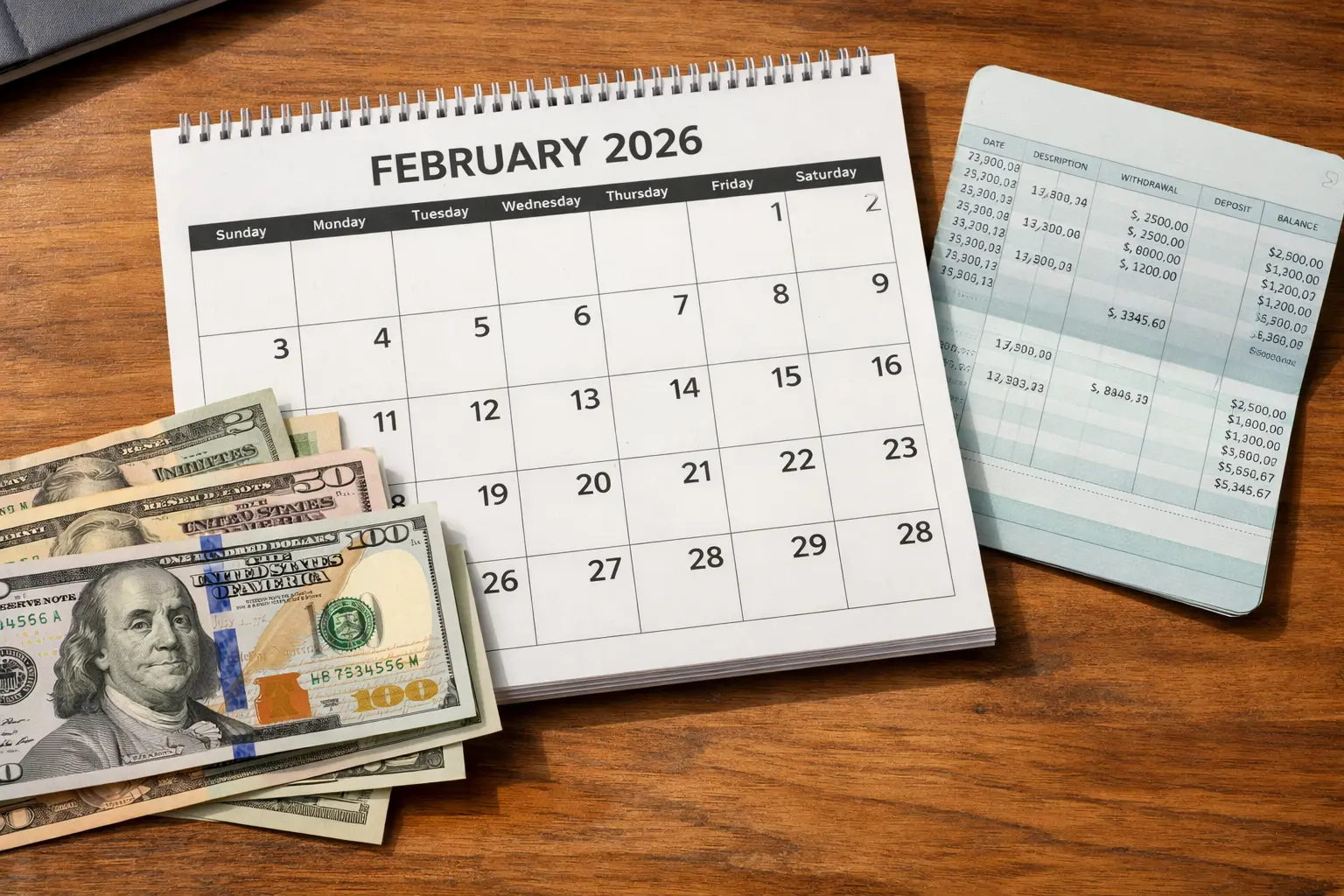
The federal government is preparing to issue a one-time $2,000 relief payment starting in February 2026. This payment is designed to support eligible individuals and households facing financial pressure. Understanding how the program works and what actions to take now can help ensure you receive the deposit without delays or complications.
Overview of the $2,000 Federal Relief Payment
The $2,000 deposit is part of a targeted relief initiative announced for February 2026. It is not a recurring benefit, but a single payment meant to provide short-term financial support. Most payments will be sent through direct deposit, while others may arrive by mail in the form of a check or prepaid debit card. Notifications will be issued by the responsible federal agency once a payment is processed.
Who Qualifies for the Payment
Eligibility is determined mainly by income, tax filing status, and participation in certain federal benefit programs. Adults who filed a federal tax return for the relevant tax year and reported income below the set threshold are expected to qualify. Individuals who did not file a tax return but received federal benefits may still be eligible, as agencies can verify income and status through benefit records. Even if your current income has changed, prior-year records may still be used to confirm eligibility.

Payment Timeline and How Funds Are Sent
Payments are scheduled to roll out in waves beginning in February 2026. The exact timing depends on how eligibility is verified, which may be linked to Social Security number sequencing or the date records are confirmed. Many recipients will see the deposit directly in their bank accounts, while others will receive mailed confirmation letters or electronic notices through official government portals.
Steps to Take to Avoid Delays
To receive your payment quickly, it is important that your personal details are current. If you have moved recently, updating your mailing address with the post office and relevant federal agencies is essential. If your bank account has changed, updating direct deposit information as soon as possible can prevent your payment from being delayed or mailed instead.
Protecting Yourself From Scams
During payment rollouts, scammers often attempt to impersonate government agencies. Official agencies will never ask for payment, passwords, or sensitive banking details to release funds. Always rely on official websites, verified emails, or secure government portals for updates and avoid clicking on suspicious links.
यह भी पढ़े:
 February 2026 Stimulus Payment: Uncovering Facts About IRS Relief and Tariff Dividend Claims
What to Do if Your Payment Is Missing
If you believe you are eligible but have not received your payment by mid-March 2026, review your tax or benefit records and contact the issuing agency directly. Keeping records of communications and account messages can help resolve issues more efficiently.
Disclaimer
This article is for general informational purposes only. Payment rules, eligibility criteria, and timelines are subject to change based on official government guidance. This content does not constitute legal, tax, or financial advice. For accurate and personalized information, always consult official government sources or contact the relevant federal agency directly.