The government has proposed a major relief for salaried employees under the draft Income-Tax Rules, 2026, which could significantly increase the tax-free value of employer-provided meal benefits. If the proposal is approved and officially notified, it may help employees reduce their taxable income while addressing rising daily food expenses.
Proposal to Increase Meal Voucher Exemption
Under the draft rules, the per-meal tax exemption limit is proposed to increase from ₹50 to ₹200. This is a substantial revision, as the earlier limit had not changed for many years despite increasing food costs in cities. The proposal aims to align tax benefits with current living expenses faced by salaried individuals.
How the New Calculation Works
The proposed structure assumes two meals per working day at ₹200 per meal. This results in a daily exemption of ₹400. If an employee works around 22 days a month, the tax-free meal benefit could reach ₹8,800 per month. Over a full year, this may translate to a maximum annual exemption of ₹1,05,600, provided the employer offers meal vouchers within approved guidelines.

Comparison with the Old Exemption Limit
Earlier, with a ₹50 per meal limit, the annual tax-free benefit generally worked out to about ₹26,400 under similar assumptions. The proposed change therefore adds an extra tax-free amount of ₹79,200 per year. This additional exemption can make a noticeable difference in taxable income, especially for employees in higher tax brackets.
Impact on Actual Tax Savings
The real benefit depends on the employee’s income-tax slab. For individuals in the highest 30% tax bracket, the tax saved on the additional exemption could be around ₹24,000 to ₹25,000 annually, including cess. Those in lower tax slabs will see proportionately smaller savings. It is important to note that this benefit works through salary restructuring rather than as direct cash income.
Old vs New Tax Regime Uncertainty
One key area of uncertainty is whether this exemption will apply under the new concessional tax regime. Currently, many exemptions are not allowed under the new system. The draft rules do not clearly exclude meal benefits for new regime taxpayers, but final clarity will only come after official notification and amendments, if any.
यह भी पढ़े:
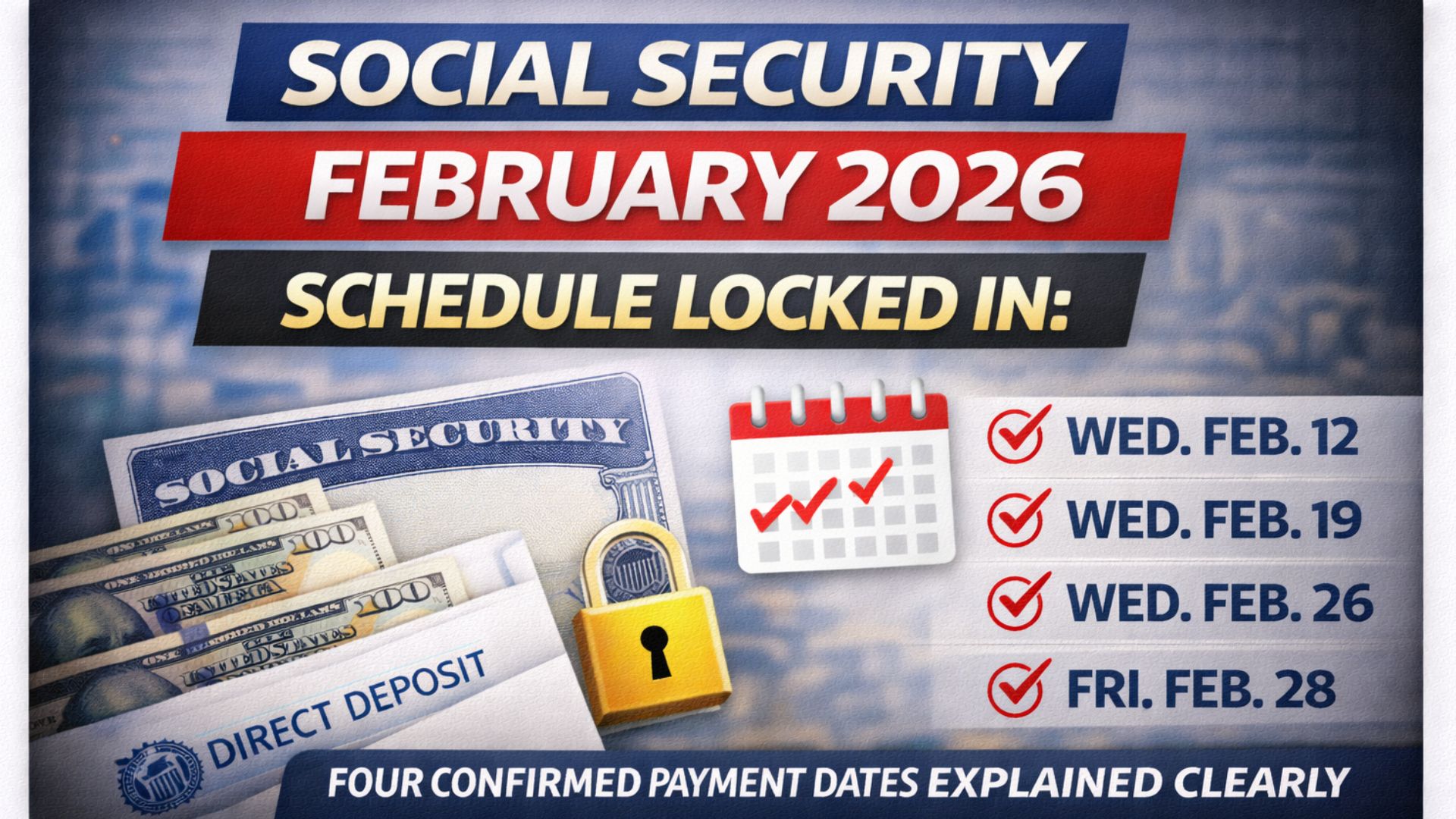
 Social Security February 2026 Schedule Locked In: Four Confirmed Payment Dates Explained Clearly
Role of Employers and Compliance
Employers will play a crucial role in implementing this benefit. Meal vouchers must be issued through approved digital or prepaid platforms and properly reflected in salary records. Any amount exceeding permitted limits may become taxable, so accurate payroll documentation is essential.
Why This Proposal Matters
With food and daily living costs rising steadily, meal expenses form a regular burden for salaried individuals. Increasing the exemption limit acknowledges this reality and may encourage companies to redesign compensation structures to improve take-home value.
Disclaimer: This article is based on draft Income-Tax Rules and publicly available information as of February 2026. The proposal discussed is subject to parliamentary approval, official notification, and final rule-making. Actual tax benefits may vary depending on individual income, chosen tax regime, employer policy, and compliance requirements. Readers should verify details through official government notifications or consult a qualified tax professional before making financial decisions.