As the 2026 tax season gets closer, many taxpayers are searching for clear and trustworthy information about IRS tax refunds in 2026. Online rumors and social media posts often claim guaranteed refund dates, which can create confusion and false expectations. To stay informed, it is important to understand how the Internal Revenue Service actually processes tax returns and issues refunds. Knowing the real rules helps taxpayers plan better and avoid unnecessary stress.
No Fixed IRS Refund Schedule for 2026
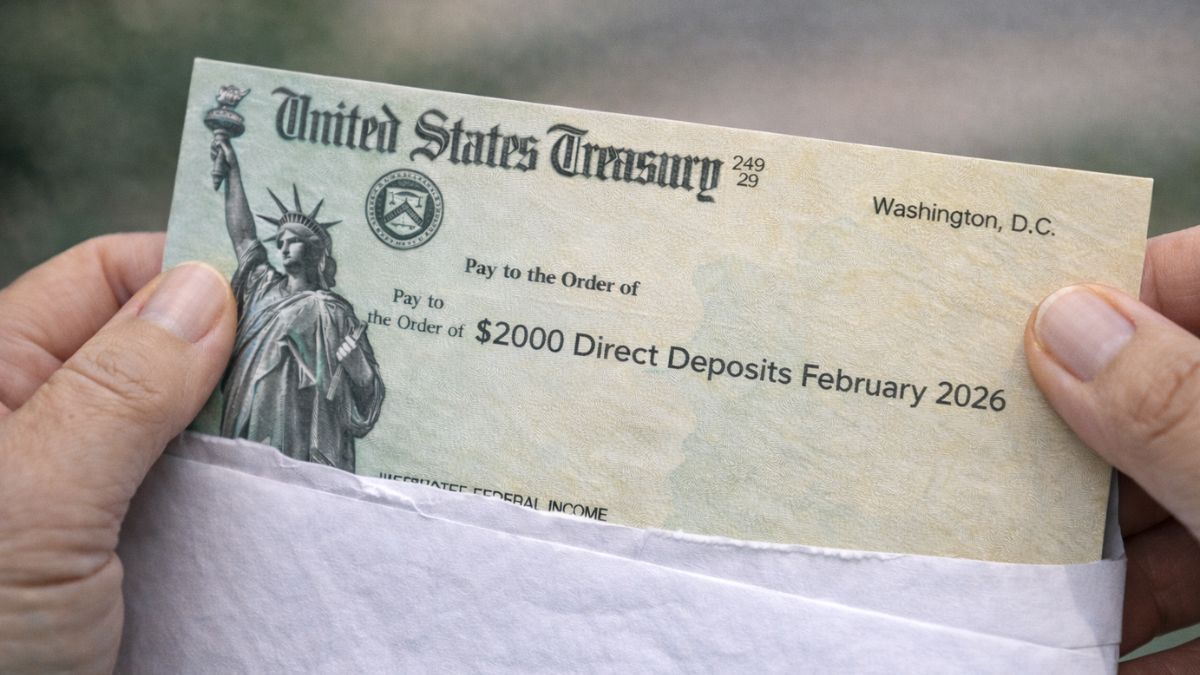
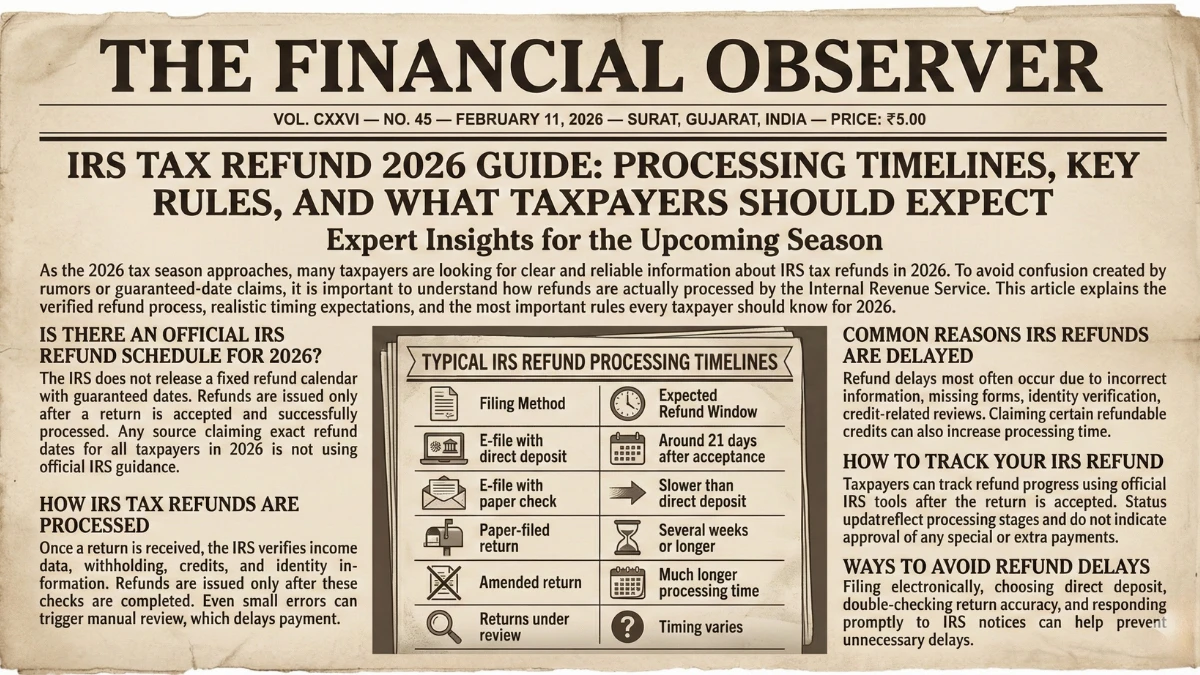
The IRS does not publish a fixed refund calendar with guaranteed dates for all taxpayers. Refunds are only issued after a tax return is successfully filed, accepted, and fully processed. Any website or post claiming exact refund dates for everyone in 2026 is not using official IRS information. Each taxpayer’s situation is different, which means refund timing can vary widely.
How the IRS Processes Tax Returns
After a tax return is received, the IRS performs several checks before approving a refund. These include verifying income details, tax withholding, claimed deductions, refundable credits, and identity information. A refund is released only after all required checks are completed. Even small mistakes, such as incorrect figures or missing forms, can slow down this process and lead to manual review.
यह भी पढ़े:
 IRS Tax Refund 2026 Guide: Processing Timelines, Key Rules, and What Taxpayers Should Expect
Common Reasons for Refund Delays
Refund delays often happen because of errors on the return, incomplete information, or mismatched income data. Identity verification requests can also pause processing until the taxpayer responds. In addition, returns that claim refundable credits usually take longer because the IRS must apply extra verification rules. These delays are normal and are meant to prevent fraud and incorrect payments.
Tracking Refund Status Safely
Taxpayers can track their refund progress using official IRS tools after their return has been accepted. These tools show whether the return is received, approved, or sent for payment. Status updates only reflect processing stages and do not indicate any special or additional payments. Relying on official IRS platforms is the safest way to get accurate updates.
Steps That May Speed Up Refunds
Filing electronically and choosing direct deposit are two of the most effective ways to receive a refund faster. Carefully reviewing the return before submission helps avoid errors that cause delays. Responding quickly to any IRS notice is also important, as unresolved requests can hold up refunds for weeks or longer.

What to Expect From IRS Refunds in 2026
IRS tax refunds in 2026 will follow standard processing rules, not guaranteed payment dates. While many taxpayers receive refunds within a few weeks, delays can happen for valid reasons. Understanding the official process and ignoring rumors helps taxpayers stay informed and better prepared.
Disclaimer:
This article is for informational purposes only and does not constitute tax, legal, or financial advice. IRS refund timelines depend on individual tax filings, verification checks, and official government procedures. Always consult IRS.gov or a qualified tax professional for accurate guidance.