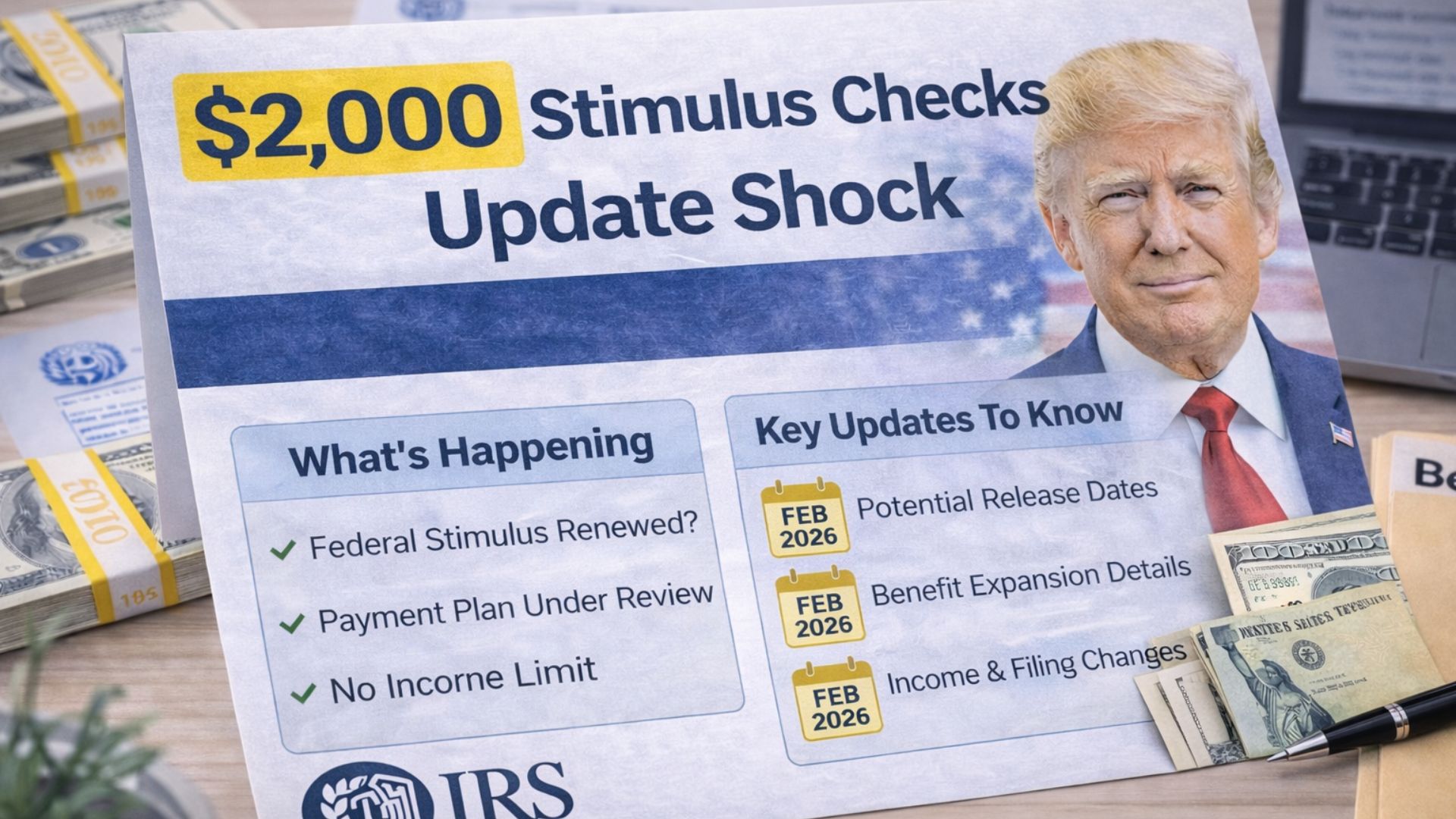
As the 2026 tax season approaches, millions of Americans are getting ready to file their federal income tax returns and are already thinking ahead about their refunds. For many households, a tax refund is not just extra money. It plays an important role in paying bills, building savings, or handling major expenses. While the IRS does not provide exact refund dates for each taxpayer, understanding how refunds work and following common timelines can help set realistic expectations.
How a Tax Refund Is Calculated
A tax refund happens when more federal income tax is paid during the year than what is actually owed. This usually comes from taxes withheld from paychecks. When a tax return is filed, the IRS calculates the final tax liability. If the amount already paid is higher than the final tax owed, the extra money is issued as a refund.
Several factors influence the final refund amount. Total annual income is the starting point. From there, deductions and tax credits are applied. Tax credits are especially important because they directly reduce tax liability. Credits related to children, education, or lower-income households can increase refund amounts. Changes in tax brackets and withholding rules for 2026 may also cause refunds to be slightly higher or lower than in previous years.

When the 2026 Tax Season Begins
The tax filing season usually opens in the second half of January. This is when the IRS begins accepting tax returns. Taxpayers who file early with complete and accurate information are often processed sooner. While early filing does not guarantee instant payment, it can reduce delays if no issues are found.
Employers and financial institutions are required to send income documents before filing season starts, which allows many people to prepare returns quickly.
Expected IRS Refund Timeline for 2026
Refunds generally follow a familiar pattern each year. Taxpayers who file electronically and choose direct deposit often receive refunds within two to three weeks after their return is accepted. Some may see deposits sooner if no extra review is required.

Mid-February through March is usually the busiest processing period. Even during high volume, electronic filing with direct deposit remains the fastest option. Those who file closer to the April deadline may receive refunds later in March or April. Paper returns typically take much longer because they require manual processing.
What Can Delay a Refund
Refund delays often happen due to errors or verification checks. Common issues include incorrect personal details, missing income forms, or math mistakes. Identity verification reviews can also pause refunds temporarily. Returns claiming certain refundable credits may take longer due to additional checks.
High filing volume during peak weeks can slow processing as well. Filing early and reviewing all information carefully helps reduce these risks.

Tracking Your Refund and Getting Paid Faster
After filing, taxpayers can track refund progress using the official IRS refund tracking tool. It shows when a return is received, approved, and sent. Direct deposit is the fastest and safest way to receive refunds, while paper checks take longer due to mailing time.
The 2026 refund season is expected to follow standard patterns. Filing electronically, choosing direct deposit, and submitting accurate information offer the best chance of receiving a refund quickly.
Disclaimer:
This article is for general informational purposes only. Tax laws, refund timelines, and processing rules may change. Actual refund dates and amounts depend on individual tax situations and official IRS decisions. Always consult official IRS resources or a qualified tax professional for guidance related to your specific circumstances.