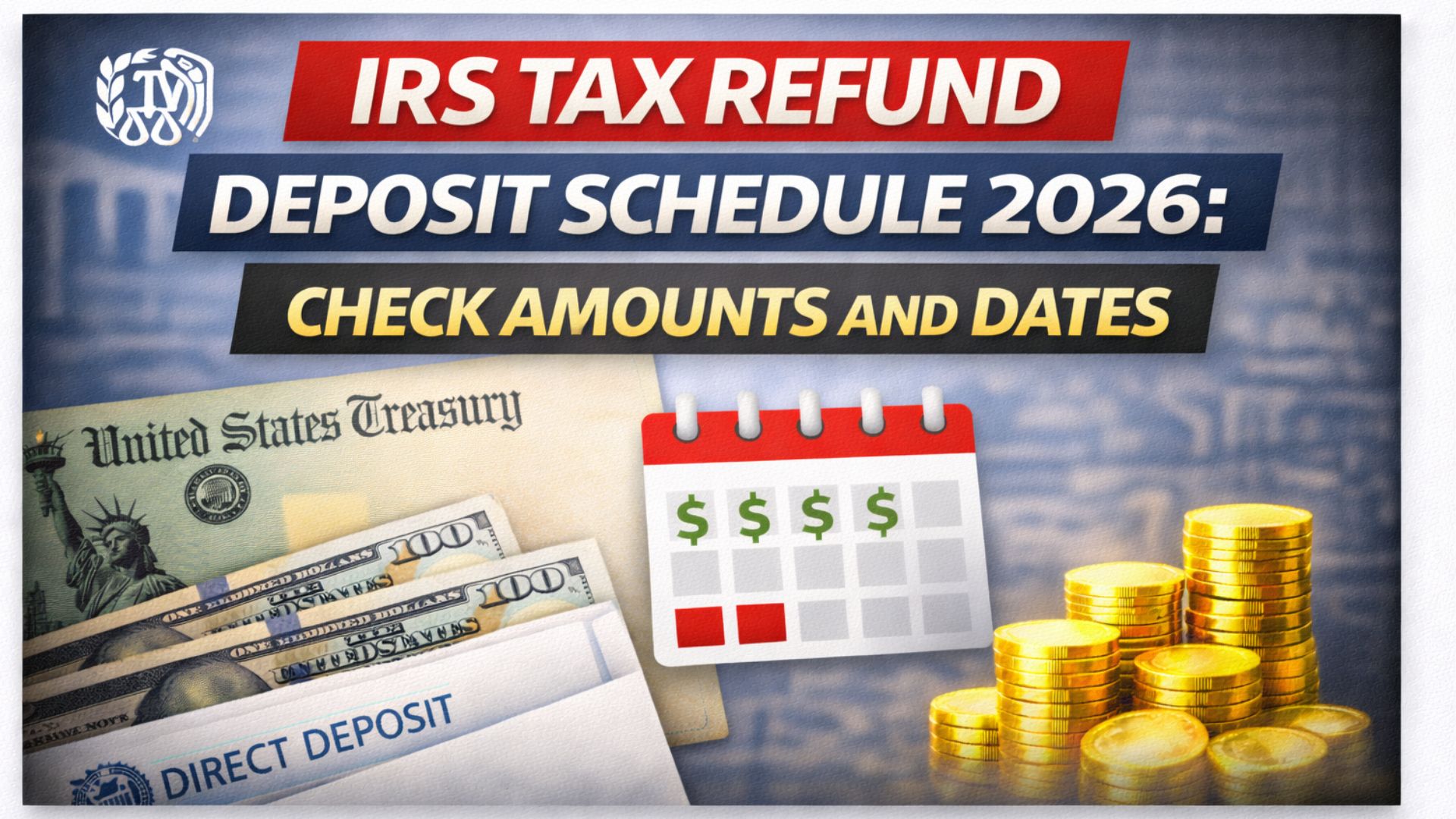
The IRS tax refund deposit schedule for 2026 plays an important role in determining when taxpayers across the United States receive their money. Every year, confusion arises around refund timing, especially during the early weeks of tax season. Understanding how the process works can help you set realistic expectations and avoid unnecessary stress.
When the IRS Starts Processing Tax Returns
For the 2025 tax year, the Internal Revenue Service began accepting returns in late February 2026. Once your return is received, the IRS reviews it for accuracy and completeness. Taxpayers who file electronically and select direct deposit usually move through the system faster than those who mail paper returns or request checks.
Typical Refund Timing for 2026
In most cases, refunds are issued within about 21 days after an electronic return is accepted. This timeline applies to straightforward returns without errors or special credits. However, this is only an estimate, not a guarantee. Some refunds arrive sooner, while others take longer depending on individual circumstances and IRS review requirements.

Why Some Refunds Take Longer
Certain tax returns are legally required to go through additional checks. Refunds that include credits such as the Earned Income Tax Credit or the Additional Child Tax Credit are often held until mid-February. This extra time allows the IRS to verify income details and prevent fraud. Identity verification issues, mismatched income records, or simple filing errors can also delay processing.
How to Check Your Refund Status
Taxpayers can track their refund using the official “Where’s My Refund?” tool provided by the IRS. The system updates daily and shows three main stages: return received, refund approved, and refund sent. Once a deposit date appears, it means the refund has been approved for payment. If no date is shown, your return is still being processed.
What to Do If Your Refund Is Late
If more than 21 days have passed since you filed electronically and there is no progress update, it may be time to contact the IRS. Before calling, make sure you have your tax return, Social Security number, filing status, and expected refund amount ready. For paper returns, waiting up to six weeks is recommended before making an inquiry.
यह भी पढ़े:
 Social Security February 2026 Schedule Locked In: Four Confirmed Payment Dates Explained Clearly
Real-Life Examples of Refund Timing
For example, a taxpayer who filed electronically on February 2, 2026, and chose direct deposit might see an approved refund date around February 23. Another filer claiming refundable credits could wait closer to four weeks due to mandatory review, even if everything was filed correctly.
Final Thoughts on the 2026 Refund Schedule
Most taxpayers who e-file and use direct deposit receive their refunds within three weeks. Keeping records organized, double-checking information before filing, and responding quickly to IRS requests can help avoid delays and keep your refund on track.
Disclaimer: This article is for informational purposes only. Tax refund timelines, eligibility, and deposit dates vary based on individual tax returns and official IRS procedures. Readers should consult the Internal Revenue Service or a qualified tax professional for advice related to their specific situation.